

Online Restaurant Ordering System with Delivery Management
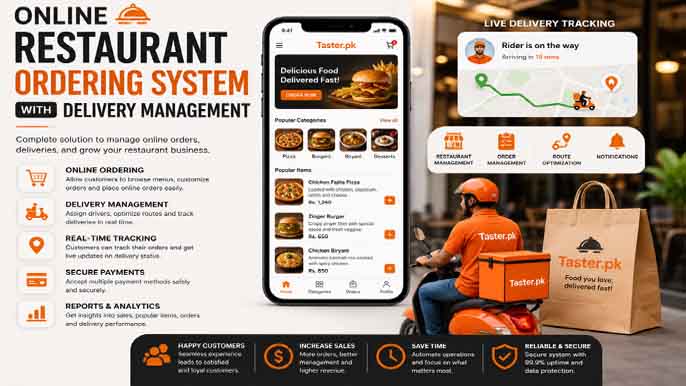
The restaurant industry has undergone a dramatic transformation over the past decade, largely driven by the rise of digital technology and changing consumer expectations. Today, customers expect the convenience of ordering their favorite meals from the comfort of their homes, tracking their delivery in real time, and enjoying a seamless payment experience. This shift has made an online restaurant ordering system with integrated delivery management not just a competitive advantage but an absolute necessity for restaurants looking to thrive in the modern marketplace. Whether a small local eatery or a large multi-location chain, restaurants that invest in robust digital ordering and delivery solutions are far better positioned to meet customer demands and maximize revenue opportunities. Consumer behavior has fundamentally changed in recent years, with more people relying on their smartphones and computers to browse menus, place orders, and arrange food delivery. This shift accelerated significantly following the global pandemic, but the trend toward digital convenience has continued well beyond that period, becoming a permanent fixture of the modern dining experience. Restaurants that fail to adapt to this changing landscape risk losing significant market share to competitors who offer more convenient, technology-driven ordering options. An effective online ordering system allows customers to browse a restaurant's full menu, customize their orders according to personal preferences, and complete their purchase without ever needing to make a phone call or visit the restaurant in person. This level of convenience significantly reduces friction in the ordering process, often leading to increased order frequency and higher average order values, as customers can take their time browsing the menu and adding items without feeling rushed or pressured. Beyond customer convenience, digital ordering systems also SEO Optimized Online Food Ordering Platform for Restaurants provide substantial operational benefits for restaurant owners. By automating the order-taking process, restaurants can reduce the likelihood of miscommunication or errors that often occur with traditional phone orders. This automation frees up staff to focus on food preparation and customer service rather than spending significant time manually processing orders over the phone. A well-designed restaurant ordering system encompasses far more than just a digital menu. One of the most important features is a user-friendly interface that allows customers to easily navigate through menu categories, view detailed descriptions and pricing, and customize their orders with minimal effort. The checkout process should be streamlined and intuitive, minimizing the number of steps required to complete a purchase, as unnecessarily complicated checkout processes often lead to abandoned orders. Real-time menu management is another essential feature, allowing restaurant staff to quickly update item availability, pricing, and special offers without requiring technical expertise. This flexibility is particularly important during busy periods when certain menu items might sell out, as it prevents customers from ordering unavailable items and experiencing subsequent disappointment or order cancellations. Integration with multiple payment options is also crucial for maximizing conversion rates. Modern customers expect the flexibility to pay using various methods, including credit cards, digital wallets, and other online payment solutions. A restaurant ordering system that supports diverse payment options reduces friction at checkout and accommodates the preferences of a broader customer base. Order tracking and notification features further enhance the overall customer experience by keeping diners informed about the status of their order from confirmation through preparation and eventual delivery. This transparency helps manage customer expectations and reduces the anxiety often associated with waiting for food delivery, particularly during peak hours when delivery times might be longer than usual. While the ordering process is essential, effective delivery management is equally critical to the overall success of an online restaurant ordering system. Poor delivery management can undermine even the best ordering platform, as late deliveries, incorrect orders, or poor communication during the delivery process can quickly erode customer trust and satisfaction, regardless of how smooth the initial ordering experience was. A comprehensive delivery management system typically includes route optimization capabilities, which help ensure that delivery drivers take the most efficient paths to reach customers, minimizing delivery times and maximizing the number of orders that can be fulfilled during peak hours. This optimization is particularly important for restaurants managing multiple simultaneous deliveries, as inefficient routing can lead to significant delays and increased operational costs. Real-time driver tracking is another essential component of effective delivery management, allowing both restaurant staff and customers to monitor the exact location and estimated arrival time of their delivery. This level of transparency has become an expected standard in modern food Restaurant Branding and Social Media Marketing Services delivery services, as customers increasingly want visibility into the entire process from order confirmation to doorstep delivery. Effective delivery management systems also include tools for managing delivery zones and calculating accurate delivery fees based on distance, ensuring that restaurants can offer delivery services profitably while remaining competitive within their local market. Additionally, these systems often incorporate features for managing driver assignments, ensuring that orders are distributed efficiently among available delivery personnel to minimize wait times. Beyond the basic functionality of ordering and delivery, modern restaurant systems increasingly incorporate features designed to enhance the overall customer experience and encourage repeat business. Personalization features, such as saved favorite orders, recommended menu items based on past purchases, and customized promotional offers, help create a more engaging and tailored experience for returning customers. Loyalty programs integrated directly within the ordering platform can significantly boost customer retention by rewarding frequent orders with discounts, free items, or exclusive offers. These programs not only encourage repeat business but also provide valuable data insights into customer preferences and ordering patterns, which restaurants can leverage to refine their menu offerings and marketing strategies. Customer feedback and review systems integrated within the ordering platform allow restaurants to gather valuable insights directly from diners after each order, helping identify areas for improvement in both food quality and delivery service. This continuous feedback loop enables restaurants to make data-driven decisions that enhance overall service quality over time. Implementing a comprehensive online ordering and delivery management system offers substantial operational advantages beyond simply facilitating customer transactions. Detailed analytics and reporting features provide restaurant owners with valuable insights into sales trends, popular menu items, peak ordering times, and overall business performance. This data-driven approach to restaurant management allows owners to make informed decisions about menu adjustments, staffing levels, and marketing initiatives. Inventory management integration is another significant benefit, as many modern ordering systems can automatically track ingredient usage based on order volume, helping restaurants better manage their supply chain and reduce food waste. This integration ensures that popular items remain in stock while minimizing excess inventory of less frequently ordered ingredients. Additionally, a centralized ordering and delivery management system can significantly reduce administrative overhead by consolidating orders from multiple channels, including the restaurant's own website, mobile app, and potentially third-party delivery platforms, into a single unified dashboard. This consolidation simplifies order management for kitchen staff and reduces the likelihood of missed or delayed orders during busy periods. With numerous online ordering and delivery management solutions available in the market, selecting the right system requires careful consideration of a restaurant's specific needs, budget, and long-term growth objectives. Restaurant owners should evaluate factors such as ease of integration with existing point-of-sale systems, scalability to accommodate future growth, and the level of customer support provided by the technology provider. Cost structure is also an important consideration, as some systems Custom Food Delivery Website Development Services charge flat monthly fees while others operate on a commission-based model tied to order volume. Understanding these pricing structures and how they align with a restaurant's typical order volume is essential for making a financially sound decision that supports long-term profitability. Ultimately, the right system should strike a balance between providing a seamless, convenient experience for customers while also offering robust management tools that simplify operations for restaurant staff. Taking the time to thoroughly evaluate available options and, where possible, testing systems before full implementation can help ensure a successful long-term partnership between the restaurant and its chosen technology provider. An online restaurant ordering system with integrated delivery management has become an indispensable tool for restaurants seeking to remain competitive in today's digital-first dining landscape. By combining intuitive ordering interfaces with efficient delivery management capabilities, restaurants can significantly enhance customer satisfaction while simultaneously improving operational efficiency and profitability. As consumer expectations continue to evolve, restaurants that invest in comprehensive, well-designed digital ordering and delivery solutions will be far better positioned to attract new customers, retain existing ones, and achieve sustainable long-term growth. In an industry where convenience and reliability increasingly determine customer loyalty, embracing the right technology is no longer optional but essential for continued success in the competitive restaurant marketplace. Online Restaurant Ordering System with Delivery Management
The Growing Demand for Digital Ordering Solutions
Key Features of a Modern Restaurant Ordering System
The Critical Role of Delivery Management
Enhancing Customer Experience Through Technology
Operational Benefits for Restaurant Owners
Choosing the Right System for Your Restaurant
Conclusion
Add a Comment
Categories
- Authentic Mughlai Restaurants 1
- Best Biryani in Pakistan 13
- Cafes for Coffee 6
- Desi Breakfast 2
- Dining Experiences & Lifestyle 6
- Family-Friendly Restaurants 5
- Food Culture & Community 6
- Food Trends & Tips 5
- Hidden Gem Restaurants 2
- Pakistan Restaurants 8
- Pakistani Cuisine 5
- Rooftop Restaurants 2
- Street Food In Karachi 1
- Top Restaurants in Lahore 7
- Vegan and Vegetarian 1
